
Category: Uncategorized

  • FTC chair Lina Khan warns AI could ‘turbocharge’ fraud and scams

    FTC chair Lina Khan warns AI could ‘turbocharge’ fraud and scams


    Washington
    CNN
     — 

    Artificial intelligence tools such as ChatGPT could lead to a “turbocharging” of consumer harms including fraud and scams, and the US government has substantial authority to crack down on AI-driven consumer harms under existing law, members of the Federal Trade Commission said Tuesday.

    Addressing House lawmakers, FTC chair Lina Khan said the “turbocharging of fraud and scams that could be enabled by these tools are a serious concern.”

    In recent months, a new crop of AI tools have gained attention for their ability to generate convincing emails, stories and essays as well as images, audio and videos. While these tools have potential to change the way people work and create, some have also raised concerns about how they could be use to deceive by impersonating individuals.

    Even as policymakers across the federal government debate how to promote specific AI rules, citing concerns about possible algorithmic discrimination and privacy issues, companies could still face FTC investigations today under a range of statutes that have been on the books for years, Khan and her fellow commissioners said.

    “Throughout the FTC’s history we have had to adapt our enforcement to changing technology,” said FTC Commissioners Rebecca Slaughter. “Our obligation is to do what we’ve always done, which is to apply the tools we have to these changing technologies … [and] not be scared off by this idea that this is a new, revolutionary technology.”

    FTC Commissioner Alvaro Bedoya said companies cannot escape liability simply by claiming that their algorithms are a black box.

    “Our staff has been consistently saying our unfair and deceptive practices authority applies, our civil rights laws, fair credit, Equal Credit Opportunity Act, those apply,” said Bedoya. “There is law, and companies will need to abide by it.”

    The FTC has previously issued extensive public guidance to AI companies, and the agency last month received a request to investigate OpenAI over claims that the company behind ChatGPT has misled consumers about the tool’s capabilities and limitations.


    Source link

  • Undocumented immigrants are paying their taxes today, too

    Undocumented immigrants are paying their taxes today, too


    Editor’s Note: A version of this story first published in 2019.


    CNN
     — 

    It’s a surprising fact that’s often overlooked in the immigration debate.

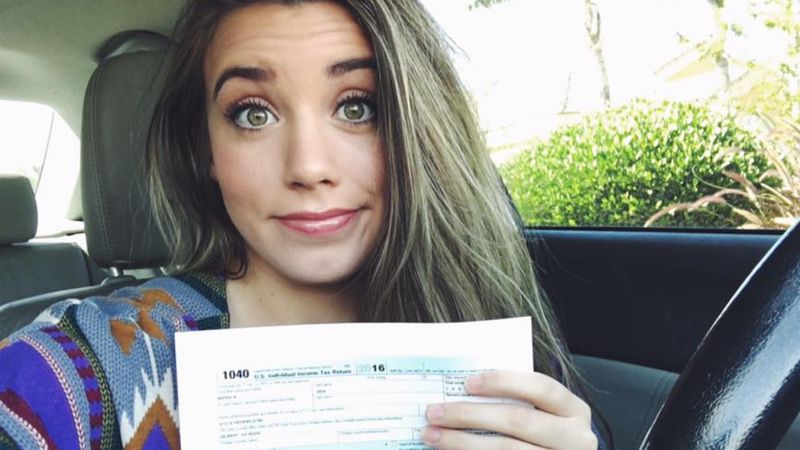
    Undocumented immigrants pay billions of dollars in federal taxes annually, between tax returns filed and taxes deducted from paychecks, experts estimate.

    Here’s a look at why – and how – this is happening.

    The National Immigration Law Center breaks down a number of reasons why undocumented immigrants pay taxes, including:

    • It shows they’re complying with federal tax laws.

    • It can help them demonstrate “good moral character” if they later have an opportunity to legalize their immigration status.

    • Tax return records could be used to document work history and presence in the US, steps that may help them be eligible for legal immigration status in the future if lawmakers pass immigration reform.

    Critics of illegal immigration have long argued that undocumented immigrants who pay taxes are able to do so because they’re using stolen Social Security numbers. But millions of federal tax dollars are paid every year by people who don’t have Social Security numbers at all.

    Instead, they file using what’s known as an Individual Taxpayer Identification Number (ITIN).

    The Bipartisan Policy Center, a Washington-based think tank, notes that “most experts believe the vast majority of tax returns filed with ITINs today are filed by undocumented immigrants.”

    Some noncitizens who legally immigrated to the United States also pay taxes using this method.

    In 2019, according to the IRS, more than 2.5 million tax returns were filed using ITINs, accounting for nearly $6 billion in taxes.

    In addition to tax return filings, officials estimate that undocumented immigrants also contribute billions to Social Security annually through payroll tax deductions. In 2010, for example, the Social Security Administration estimated that payments from unauthorized workers accounted for about $12 billion in tax revenue for Social Security.

    In recent years, immigrant rights advocates’ posts on Facebook, Twitter and TikTok during tax season have drawn attention to the issue.

    “Undocumented immigrants pay billions in taxes to fund programs they can’t access,” the National immigration Law Center wrote in a series of recent social media posts.

    In 2017, Belén Sisa’s post about her experience paying taxes went viral.

    “Wanna tell me again how I should be deported, contribute nothing and only leech off this country while the 1% wealthiest people in this country steal from you everyday?” wrote Sisa, who was a college student in Arizona at the time.

    The beneficiary of the Deferred Action for Childhood Arrivals program later told CNN she felt it was important to speak out.

    “I wanted to show people that we’re here, and that we come from all over the world, and that we contribute more than people think that we do,” she said.

    Jose Antonio Vargas, the Pulitzer Prize-winning journalist-turned-activist who’s turned his struggles as an undocumented immigrant into a platform for advocacy, took a break from finalizing his taxes in 2019 to share his experience on Twitter.

    “Yes,” he wrote, “undocumented immigrants are helping fund the very systems that detain and deport us.”


    Source link

  • ISC Stormcast For Wednesday, December 17th, 2025 https://isc.sans.edu/podcastdetail/9742

    ISC Stormcast For Wednesday, December 17th, 2025 https://isc.sans.edu/podcastdetail/9742


    (c) SANS Internet Storm Center. https://isc.sans.edu Creative Commons Attribution-Noncommercial 3.0 United States License.


    Source link